
Exploring cultural perspectives on gambling around the world
Understanding the Global Landscape of Gambling
Gambling has long been a prevalent activity across various cultures, providing entertainment and economic opportunities. In many countries, gambling is deeply integrated into social traditions, ranging from casual games among friends to large-scale events like horse racing. The cultural acceptance and regulation of gambling vary widely; some nations embrace it as a recreational pastime, while others impose strict prohibitions due to historical or religious beliefs. This variance shapes how individuals perceive and engage in gambling within their societies.

In the United States, for instance, gambling is often associated with high-stakes environments like Las Vegas, which thrives on the glitz and glamour of casinos. Conversely, in countries like Japan, gambling is largely limited to specific forms such as pachinko, where the experience is heavily regulated. Such disparities highlight how cultural values influence the way gambling is not only accepted but also integrated into social norms and economic structures. https://neonbingocasino.co.uk/withdrawal/
As globalization continues to evolve, online gambling platforms are gaining traction, allowing individuals from different cultural backgrounds to engage in games that might not be available locally. This trend raises questions about cultural appropriation and the impact of widespread gambling on traditional practices. Understanding these dynamics is crucial for appreciating the complex tapestry of gambling as it weaves through different societies.
The Role of Religion and Morality in Gambling
Religion plays a significant role in shaping attitudes toward gambling. Many faiths view gambling as morally questionable, associating it with greed and temptation. For example, Islamic teachings prohibit gambling, viewing it as a vice that promotes inequality and exploitation. This stance is reflected in several predominantly Muslim countries, where gambling is largely illegal, and alternative forms of entertainment are encouraged. The prohibition is rooted in a broader ethical framework that emphasizes communal well-being over individual fortune.
In contrast, some cultures incorporate gambling into religious or communal events, viewing it as a form of luck or divine intervention. For instance, during certain festivals in Spain, games of chance are celebrated, bringing together communities for shared enjoyment. These festivities serve not only as entertainment but also as a way to foster social bonds, highlighting the dual nature of gambling as both a spiritual and recreational activity.
Cultural Perceptions of Luck and Chance
Across cultures, the concepts of luck and chance are often intertwined with gambling practices. In many societies, particular symbols and rituals are believed to influence luck, shaping the way people approach gambling. For example, in Chinese culture, the number eight is considered lucky, leading to specific betting patterns during games like mahjong. Similarly, in Western cultures, superstitions surrounding luck, such as wearing specific colors or carrying talismans, play a vital role in the gambling experience.
These perceptions influence not only individual behaviors but also the design and marketing of gambling products. Casinos often incorporate culturally significant symbols into their decor and branding to appeal to specific audiences. Understanding these cultural nuances can enhance the overall gambling experience, as players feel a deeper connection to the games they partake in. The excitement surrounding luck and chance transforms gambling into a social experience, with shared beliefs enriching the communal atmosphere.
Moreover, the rise of online gambling has further complicated these cultural perceptions. The anonymity of online platforms can lead to a shift in how luck is perceived, with some players treating games purely as entertainment without the cultural significance that might accompany traditional forms of gambling. This evolution prompts questions about the future of cultural gambling practices and the impact of technology on traditional beliefs surrounding luck and chance.
Gambling as Economic Activity
Gambling is not only a cultural pastime but also a significant economic driver in many regions. Countries that have embraced regulated gambling markets, such as the United Kingdom and Australia, often experience substantial economic benefits, including job creation and increased tourism. For instance, casinos in Las Vegas draw millions of visitors annually, contributing significantly to the local economy and funding public services through taxation. The intertwining of gambling with economic growth highlights its dual nature as both a leisure activity and an essential economic engine.
However, the economic impact of gambling is not universally positive. In many areas, especially where gambling is unregulated, the potential for exploitation and addiction can lead to severe social issues. Communities may face increased crime rates and a strain on social services due to gambling-related problems. This dichotomy calls for responsible gambling measures and education, ensuring that the economic benefits do not come at the expense of individual well-being.
Balancing the economic advantages with the potential social costs presents a challenge for policymakers. Strategies must be developed to promote responsible gambling while maximizing the positive impacts on local economies. This balance is vital not only for sustaining growth but also for preserving the integrity of cultural practices surrounding gambling.
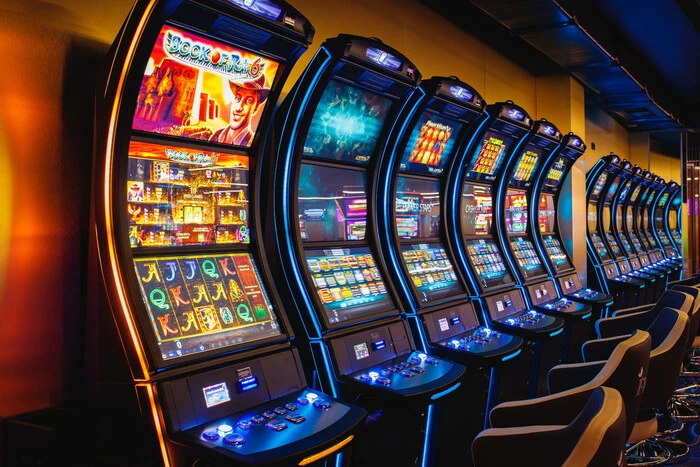
Neon Bingo Casino: A Bridge Between Cultures
Neon Bingo Casino stands as a unique platform that connects diverse cultural perspectives on gambling. By offering a wide variety of games tailored to suit different tastes, Neon Bingo fosters an inclusive environment for players from various backgrounds. The casino’s focus on a seamless online gaming experience is designed to enhance user engagement while respecting cultural preferences and traditions.
Moreover, Neon Bingo provides comprehensive guides to help players navigate the world of online gaming safely and responsibly. By emphasizing secure withdrawal methods and transparent practices, the casino prioritizes customer satisfaction and fosters trust among its players. This commitment to responsible gaming not only supports individual well-being but also promotes a healthier gambling culture.
As gambling continues to evolve globally, platforms like Neon Bingo Casino play a crucial role in bridging cultural divides. By understanding and respecting the diverse perspectives on gambling, Neon Bingo aims to create a gaming experience that celebrates cultural richness while providing a safe and enjoyable environment for all players.
